
Rainwater Harvesting Systems · Silesia & Lesser Poland
Rain falls on your roof either way. We help it go somewhere useful.
Weleca Huwexa designs, installs and services rainwater harvesting systems for single-family homes and small commercial buildings. Every system is sized around your actual roof area and the rainfall records for your specific location, not a generic guess.
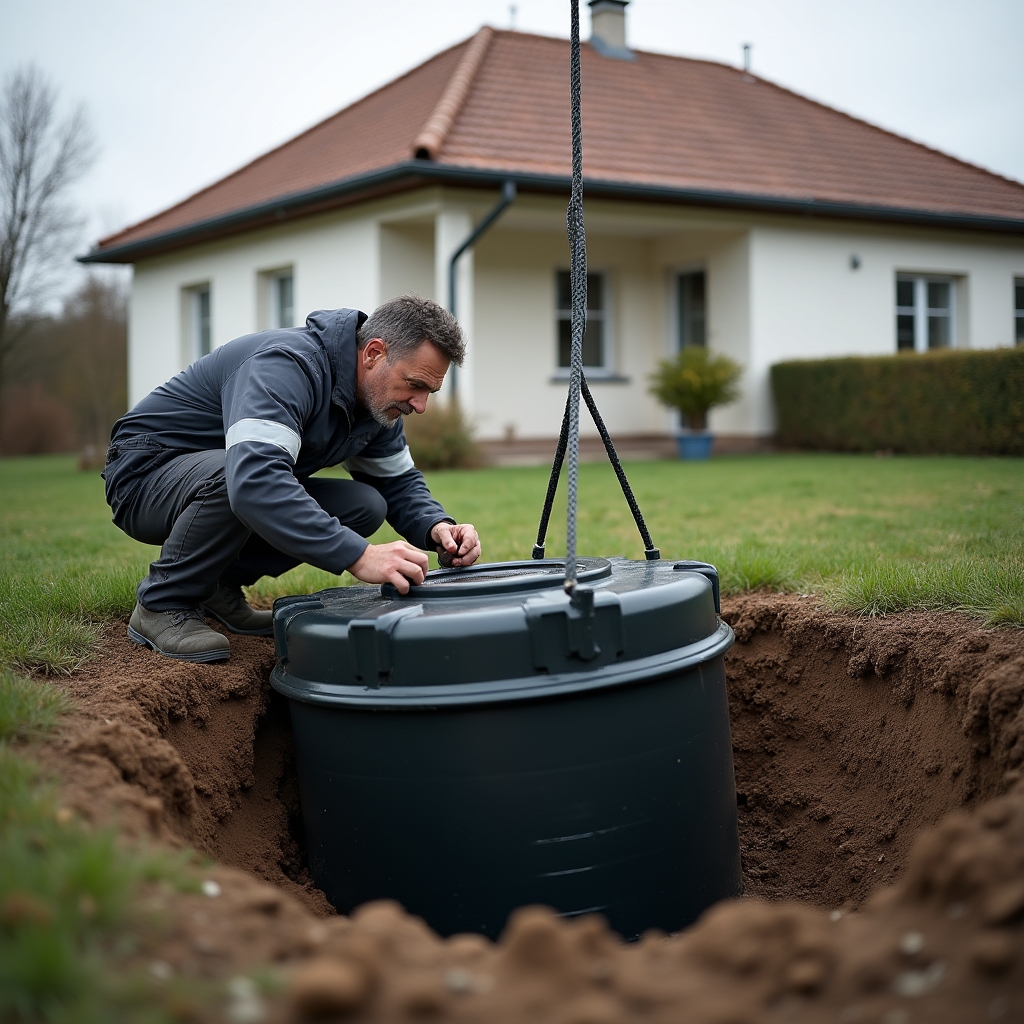
Sized to your roof
Volume is calculated from your catchment area and rainfall history, not a single fixed package.
Two installation formats
Underground tanks for gardens that need the surface back, or above-ground units where access matters more.
Dual-use plumbing
Connections for garden irrigation and toilet flushing, kept clearly separate from your drinking water supply.
Ongoing servicing
Annual maintenance visits and filter replacement so the system keeps performing as designed.
How a project comes together
From roof measurements to a working system
Every property is different, so the process is built to start with information rather than assumptions. Here is roughly how it unfolds, start to finish.
Site visit & roof assessment
We measure the catchment area, check roof material and gutter condition, and look at where a tank could realistically sit on the plot.
Design & tank sizing
Using your roof area alongside regional rainfall records, we propose a tank size, position and filtration level suited to intended use.
Installation
Underground excavation and tank placement, or above-ground siting and pipework, followed by connection to irrigation or toilet circuits.
Handover & servicing plan
You receive a short walkthrough of the system, plus an annual maintenance and filter replacement schedule for the years ahead.
What we install and service
Six areas of work, one coordinated system
Rather than separate contractors for each part, we handle design, installation and servicing as one connected scope. Expand any item below for more detail.
We start by measuring the effective roof catchment, noting the roofing material (clay tile, metal sheet or bitumen shingle all behave differently), and checking existing gutters and downpipes. Combined with rainfall records for your municipality, this gives us a realistic estimate of how much water your roof can reasonably supply across an average year, and in drier or wetter stretches.
Underground tanks keep the garden surface usable and are a common choice where lawn or driveway space is limited. Installation involves excavation, a level bedding layer, tank placement, backfilling and reinstatement of the surface above. Access covers are set flush with the finished grade for future inspection.
Above-ground units sit against a wall, in a utility area or garden corner, and cost less to install since there is no excavation involved. They suit properties with a spare side passage, garage wall or outbuilding, and are simpler to access for periodic checks.
Before storage, water passes through a leaf and debris filter and, in most designs, a first-flush diverter that discards the initial run-off carrying roof dust. A further particle filter treats water drawn for indoor use. These systems are designed for non-potable domestic use such as toilet flushing and irrigation, not for drinking.
Pipework is routed to outdoor taps and drip or sprinkler irrigation, and, where wanted, to a dedicated line feeding toilet cisterns indoors. This secondary network is kept clearly separate and labelled apart from the mains drinking water supply, in line with standard plumbing practice.
An annual visit covers filter inspection and replacement, checking pump and float switch operation, clearing the first-flush diverter, and a general check of tank condition and connections. Regular servicing helps keep water quality consistent for its intended non-potable uses.
Two formats, one decision to make
Underground or above-ground: what actually differs
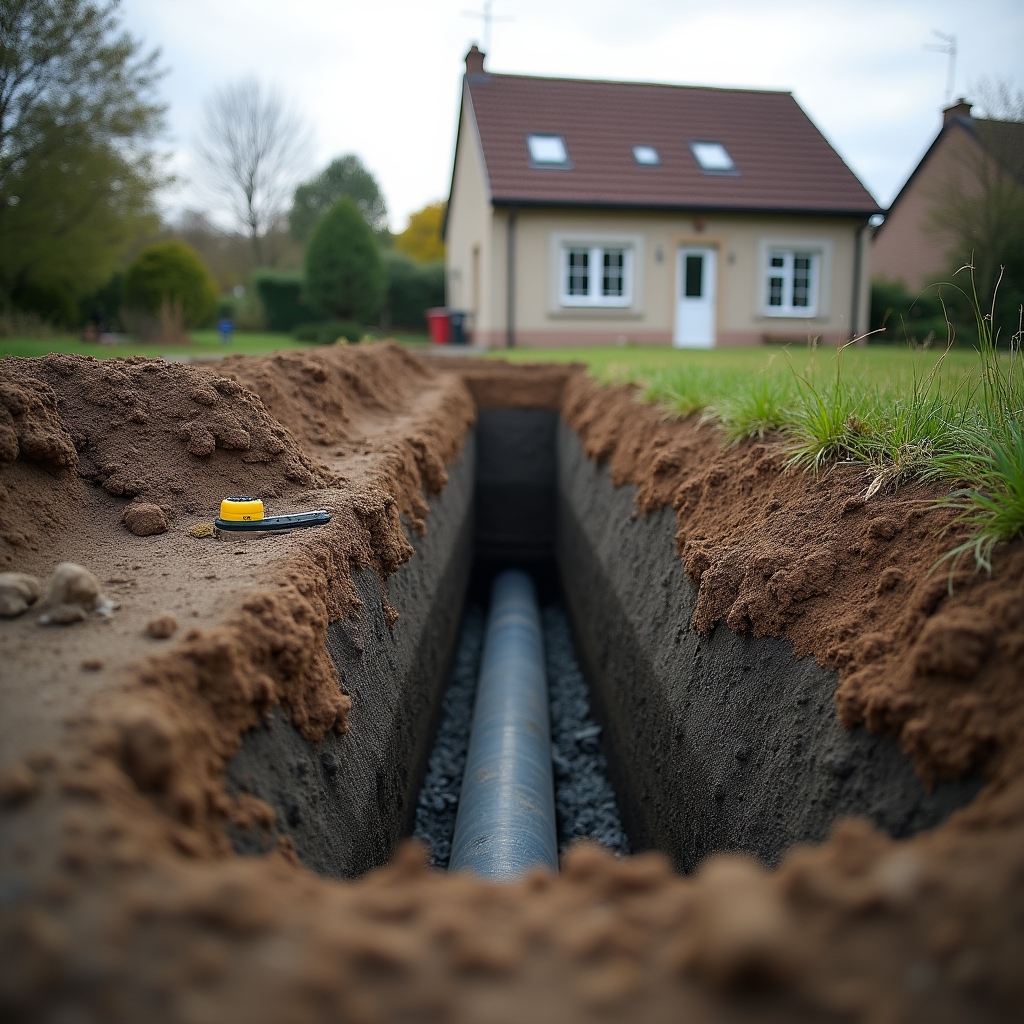
Underground tanks
Sit below the lawn or driveway, leaving the surface free for other use. They need excavation and access to heavier machinery, so lead times are a little longer, but the finished garden looks unchanged once reinstated. Larger volumes are also easier to fit below ground than above it.
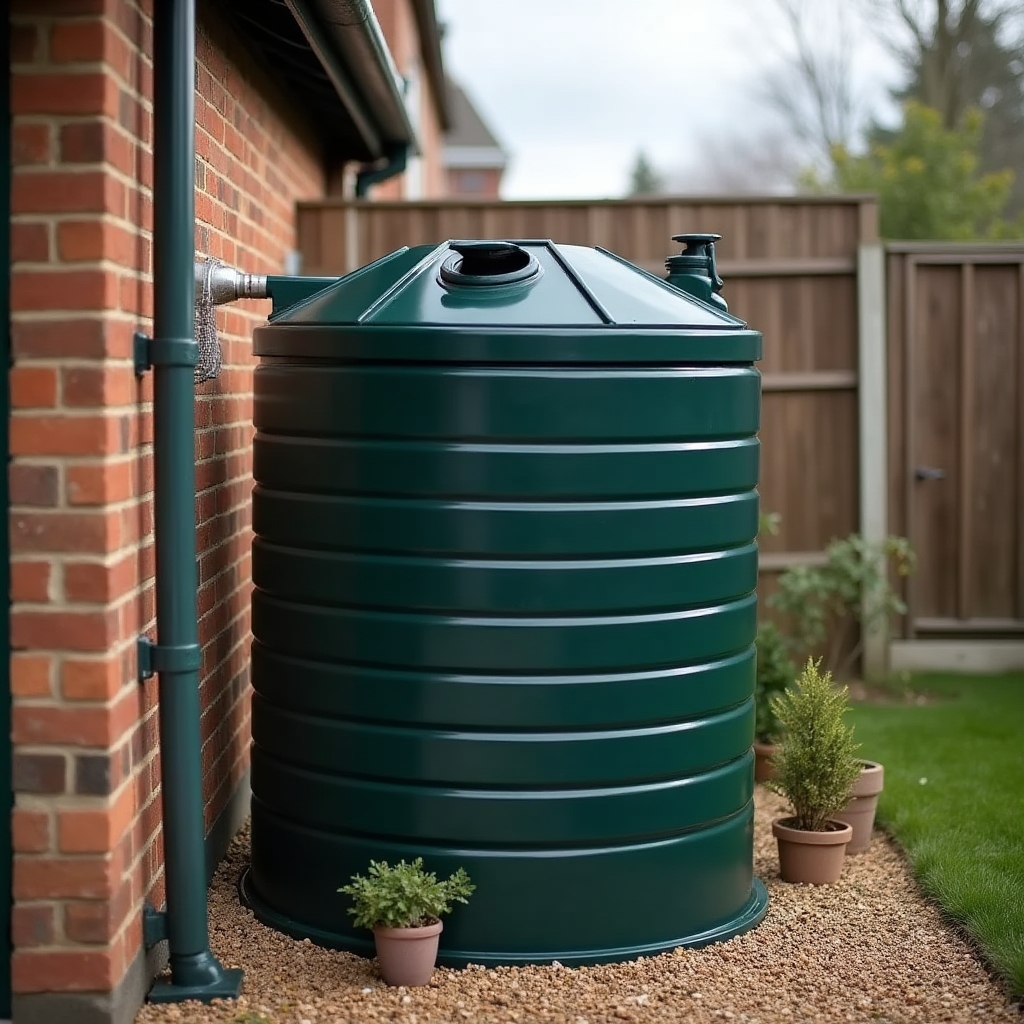
Above-ground tanks
Suit properties where digging is impractical, such as sites over rock, shallow foundations, or existing hardscaping. Installation is quicker and less disruptive, and the tank remains visible for easy inspection, though it does occupy usable outdoor space.
Common questions before installation
Things worth thinking through first
Where we work
Based in Katowice, serving Silesia and Lesser Poland
Working within a defined region lets us stay familiar with local rainfall patterns, roof types and site access, rather than spreading thin across the whole country.
- Katowice & the wider Silesian conurbation
- Gliwice, Rybnik and Bielsko-Biała
- Kraków and surrounding Lesser Poland towns
- Tarnów, Chrzanów and Oświęcim areas
- Nearby rural and semi-rural municipalities

A closer look at the work
System components in the field
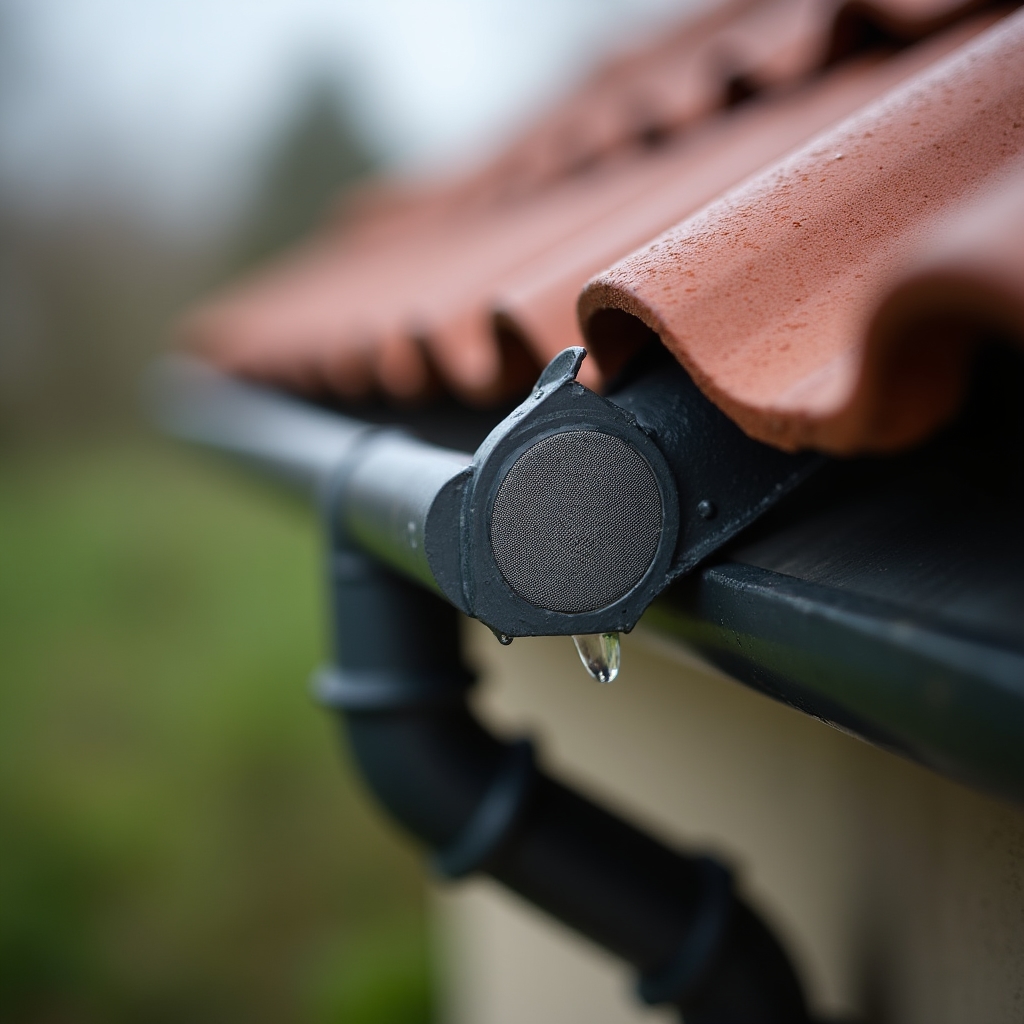 Gutter & downpipe collection point
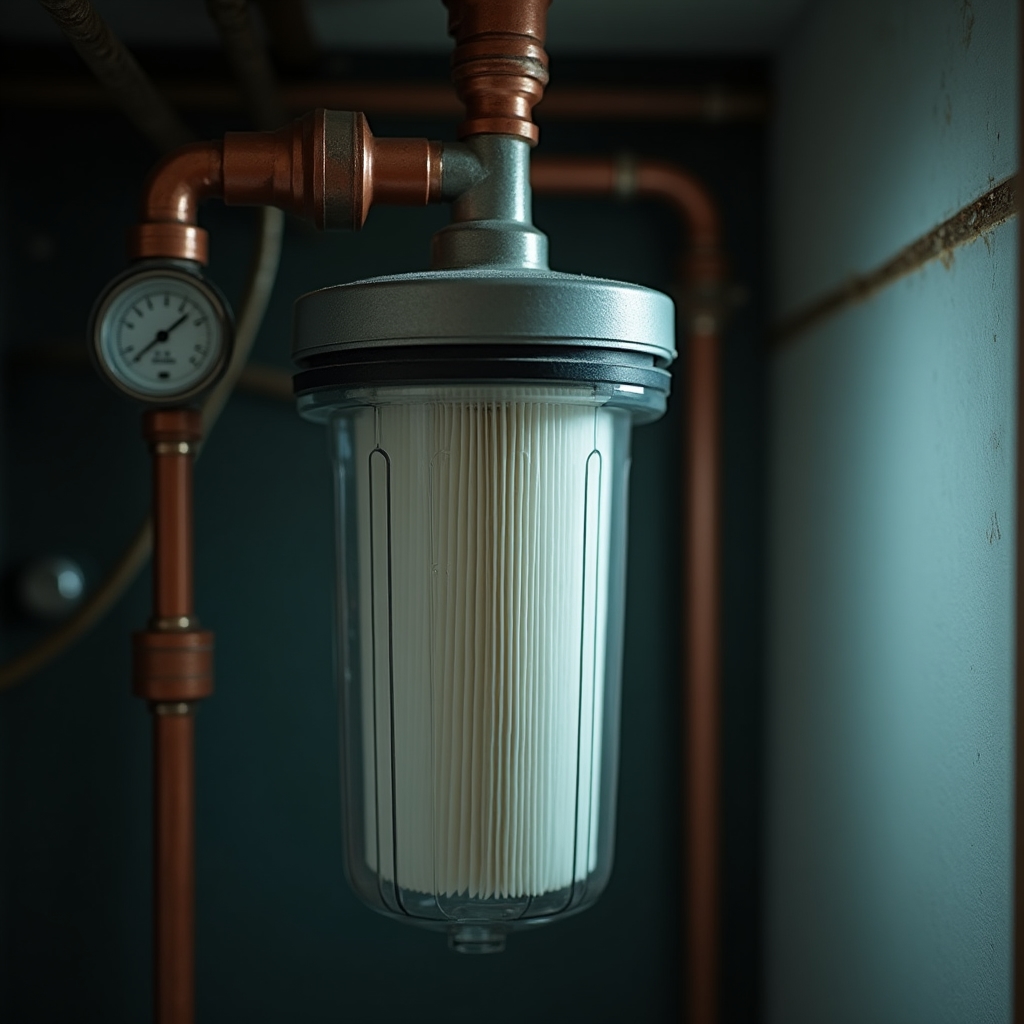 Filtration cartridge unit
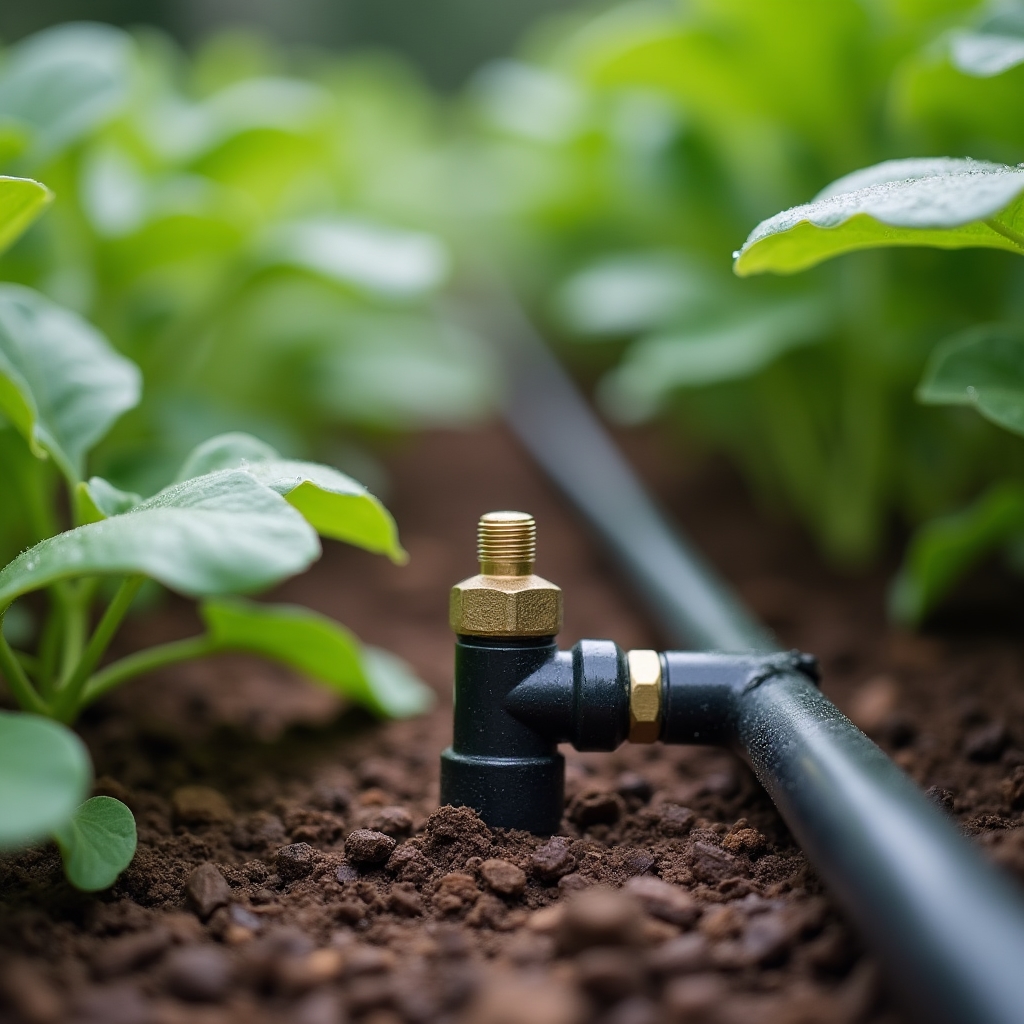 Garden irrigation connection
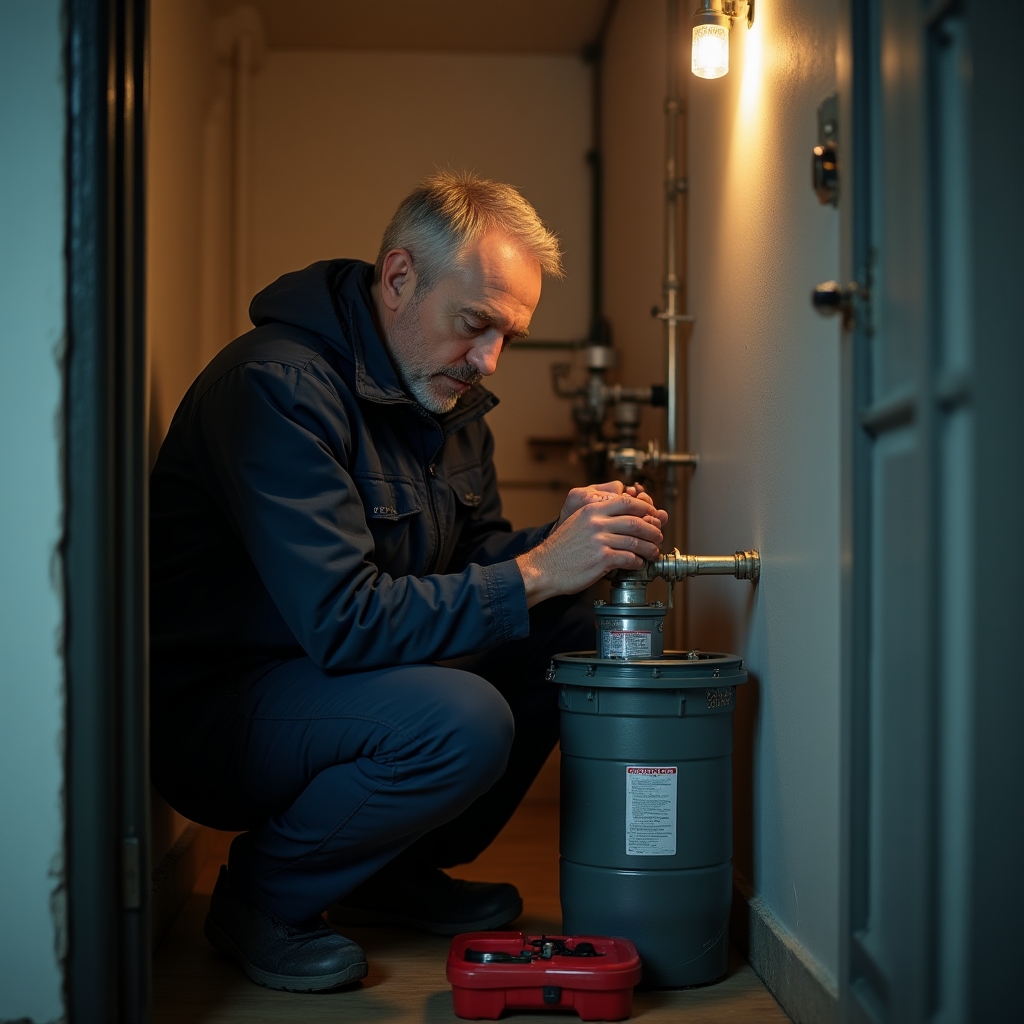 Annual filter replacement
 Roof catchment assessment
Considering a rainwater system for your property?
A short site visit is the easiest way to understand what would suit your roof, plot and intended use. There is no obligation attached to an initial conversation.