
What we do
Design, installation and servicing under one roof
Each service below can be described on its own, but in practice they are delivered as one connected project: assessment, sizing, installation and the ongoing care that keeps a system working.
How tank sizing actually works
Sizing starts with two numbers: your roof's catchment area in square metres, and the rainfall depth expected for your location, drawn from regional records. Multiplying the two, then applying a runoff coefficient that accounts for losses to evaporation and roof absorption, gives an estimate of annual harvestable volume. That figure is then weighed against your intended use, since a tank feeding only garden irrigation over summer months has different demand patterns than one also supplying toilet flushing year-round.
In practice this means two houses with the same roof size can end up with different tank recommendations, simply because one plans to flush toilets from the tank and the other only wants irrigation water for a few months a year. We walk through this reasoning during the design stage rather than presenting a single fixed number without explanation.
Underground tank installation
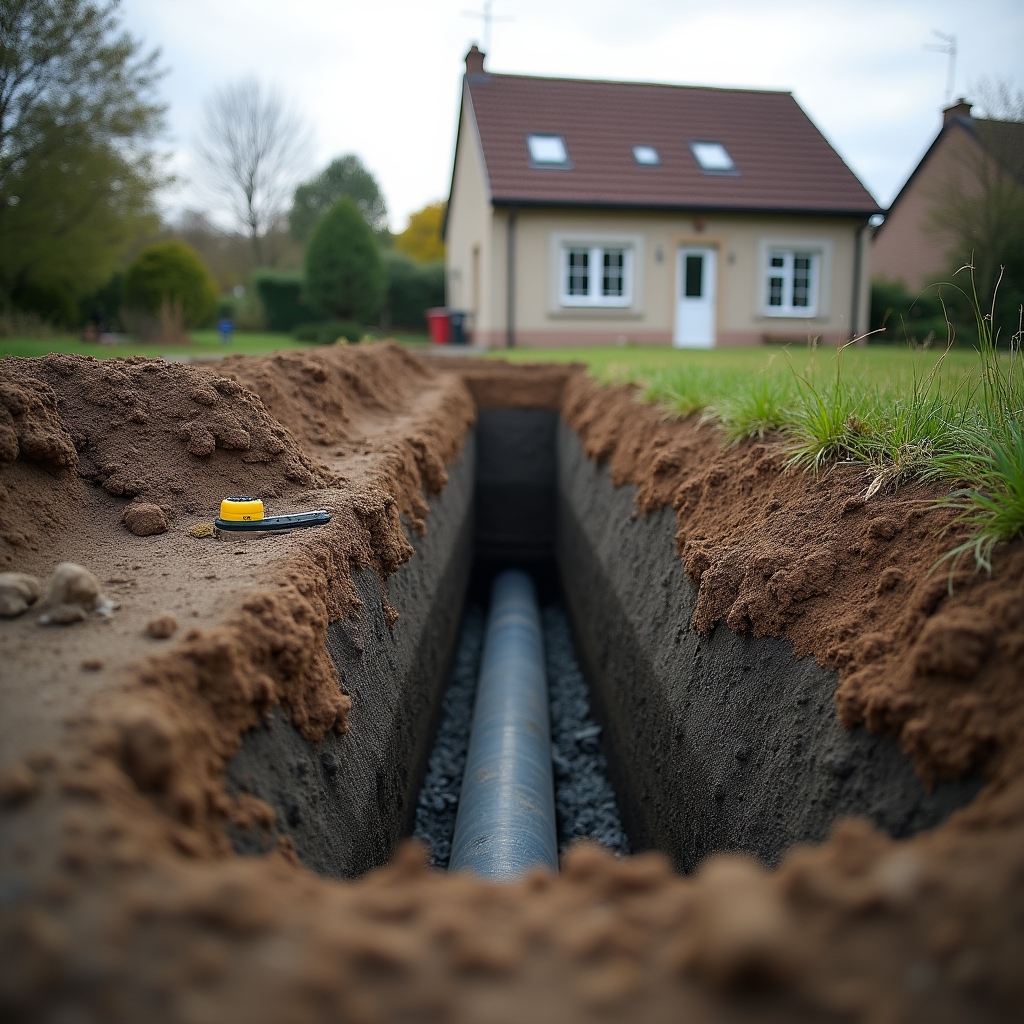
An underground system starts with marking out the tank footprint and checking for existing utilities before excavation begins. The pit is dug to the required depth, a stable bedding layer is laid, and the tank is lowered into place, levelled, and connected to inlet and overflow pipework. Backfilling is done in stages to avoid stressing the tank walls, and the surface above is reinstated, whether that is turf, gravel or paving.
Access covers sit flush with the finished grade, usually positioned somewhere discreet but reachable for annual inspection. This format tends to suit properties with limited garden space where keeping the surface usable matters, and it generally accommodates larger volumes than an above-ground equivalent on the same plot.
Above-ground tank installation
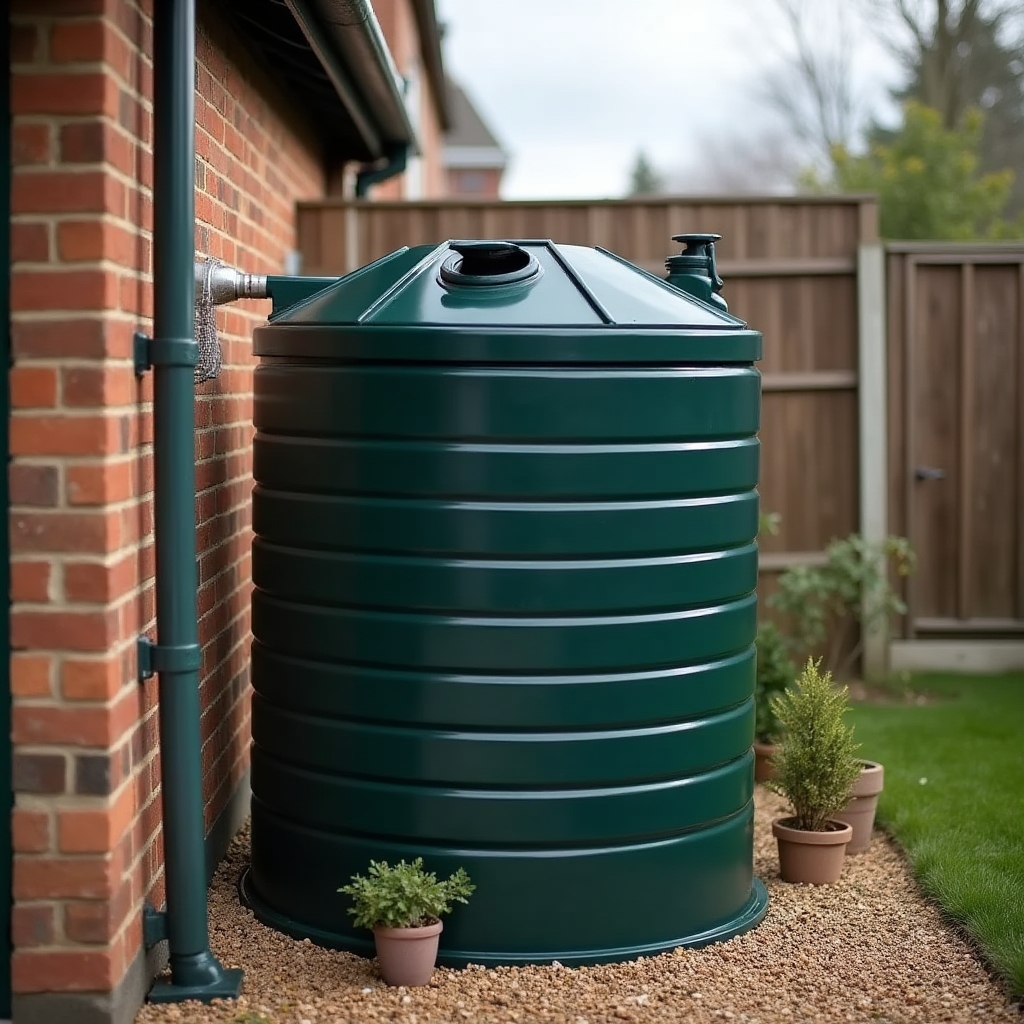
Above-ground tanks are installed on a prepared flat base, commonly a compacted gravel pad or a small concrete slab, positioned close to a downpipe to minimise horizontal pipe runs. Because there is no excavation, installation is quicker and causes less disruption to an established garden.
This format suits sites where digging is impractical, such as ground with shallow foundations nearby, rocky subsoil, or existing hard landscaping that would be costly to disturb. The tradeoff is that the tank occupies visible outdoor space, so positioning against a garage wall, side passage or utility area is usually preferred over a prominent spot on the lawn.
Filtration for non-potable domestic use
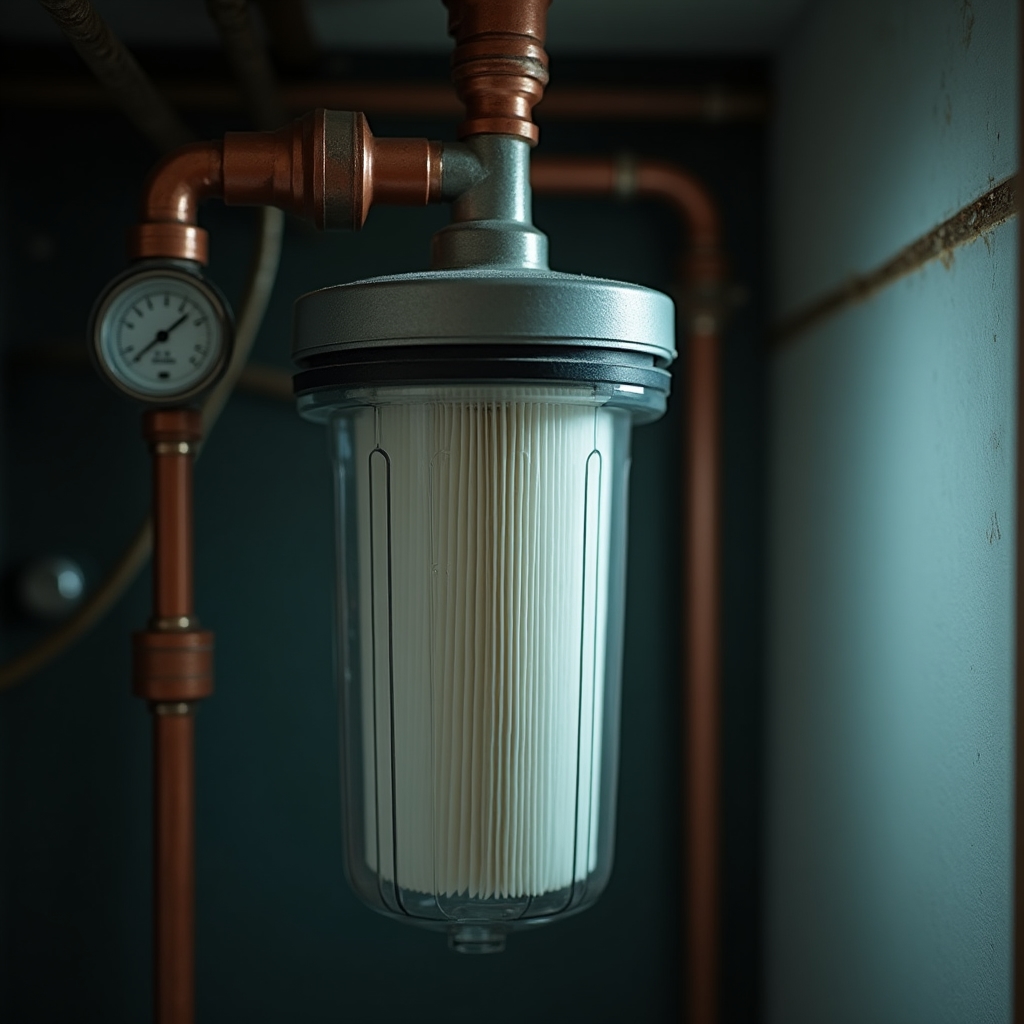
Filtration happens in stages. A coarse screen at the gutter or downpipe removes leaves and larger debris before water reaches the tank. Many systems include a first-flush diverter, which sends the first portion of each rainfall event, carrying the bulk of accumulated roof dust and bird debris, away from the main storage. Water drawn back out of the tank for indoor use then passes through a finer particle filter, and some installations add a secondary polishing stage depending on intended use.
It is worth being clear about scope here: these systems are built for non-potable domestic use, meaning garden irrigation, toilet flushing, and similar applications. They are not designed or certified to produce drinking water, and installations are labelled to keep that distinction visible to anyone using the plumbing.
Connecting to irrigation and toilet flushing
Outdoor connections typically include a garden tap and, where wanted, a dedicated line feeding drip or sprinkler irrigation zones, controlled independently from the mains supply. Indoors, a separate pipe run feeds toilet cisterns through their own small pump and pressure setup. Pipework is colour-coded or labelled where required so nobody mistakes the rainwater circuit for the drinking water line during future work on the property.
Some households opt for irrigation only in the first phase, with toilet flushing added later once the tank and filtration have proven themselves through a season. Others want both from day one. Either sequence is workable, since the underlying tank and filtration are sized to accommodate the fuller scope from the outset if that is the long-term plan.
Annual maintenance & filter replacement
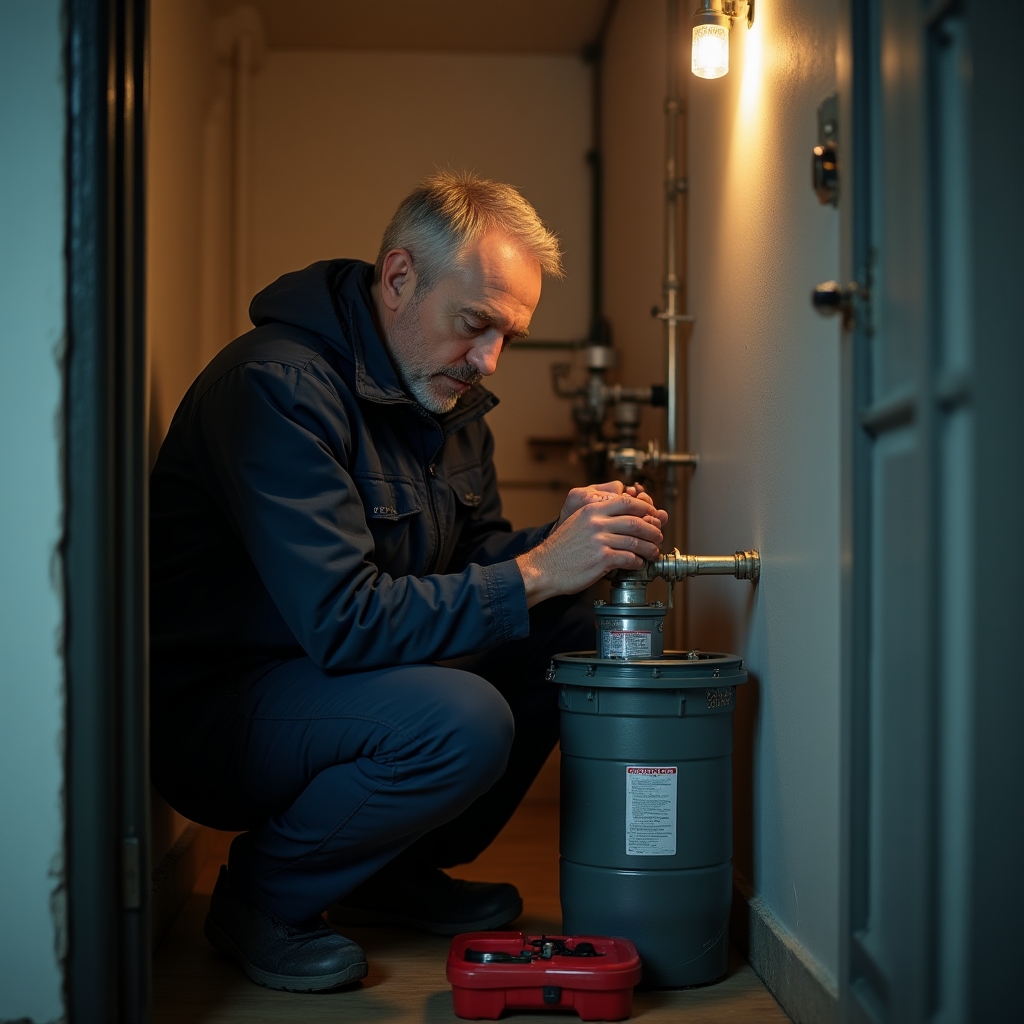
A yearly service visit typically covers inspection and, where needed, replacement of filter cartridges, a check on pump operation and float switches, clearing debris from the first-flush diverter, and a visual inspection of tank condition, seals and connections. For underground tanks we also check the access cover and surrounding surface for any settling.
Consistent servicing helps the filtration stay effective for its intended non-potable uses and reduces the chance of blockages building up unnoticed over a season. We can set this up as a standing annual appointment so it does not depend on remembering to book it each year.
Want to know what this would look like for your property?
Send us a few details about your roof and plot and we can talk through what would make sense.